Editor’s note: After Doug Boles, I have had more conversations with Jim Michaelian than any other track principal. I will miss his passion for the event, and he set a high bar for delivering an outstanding race weekend.
The following is from the Long Beach Grand Prix:
President & CEO Jim Michaelian Transitioning to New Role Effective June 30; Jim Liaw Named as Replacement
The Grand Prix Association of Long Beach, organizers of the annual Acura Grand Prix of Long Beach, announced that President and CEO Jim Michaelian will assume a new role in Penske Entertainment effective June 30, 2026, and that Jim Liaw has been named as the organization’s new President and CEO, starting July 1, 2026.
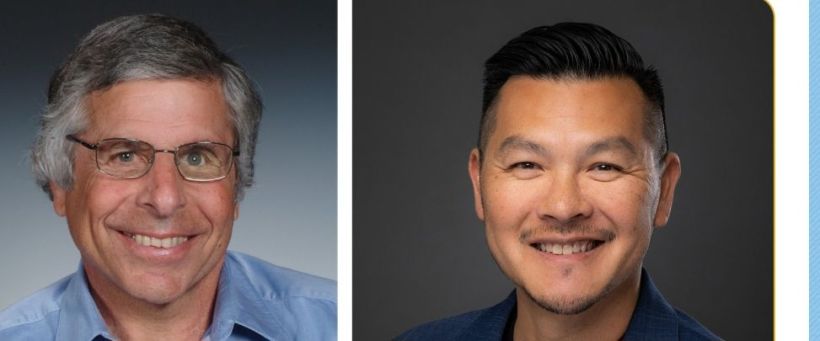
Michaelian, 82, who has been a part of the Grand Prix Association since its founding in 1975, has served as Controller, Chief Operating Officer and was named President & CEO in Dec. 2001. He has served on the boards of the Grand Prix Foundation of Long Beach, Visit Long Beach and the Los Angeles Sports Council over the years.
Michaelian will continue to guide the event and company through the 2026 Acura Grand Prix of Long Beach weekend and will work closely with Liaw to ensure a smooth leadership transition. On February 9, 2026, Liaw, 50, will assume the temporary title of General Manager for the 2026 event.
“Leading the Grand Prix Association and the Acura Grand Prix of Long Beach has been the privilege of a lifetime,” said Michaelian. “This event and this community mean a great deal to me, and I’m proud of what our team has built together. Coming off our very successful 50th celebration, I feel this is the right time to make this transition. For 50 years, I have been given the unique opportunity to merge my passion for motorsports with involvement with the longest-running street race in America, which has been a distinct privilege.
“I’m grateful to the City of Long Beach, our sponsor partners, participants, volunteers, and fans for their continued support, and thanks also to Chris Pook, the originator of the Grand Prix of Long Beach, and Kevin Kalkhoven and Jerry Forsythe for their invaluable support during the challenging times in the past 50 years. And with the leadership of Penske Entertainment, the new owners of the Grand Prix Association, the future of the event is in excellent hands.”
Michaelian, a competitive sports car racer who, for more than 25 years has competed at such tracks as LeMans, Daytona, Nürburgring, and Sebring, hopes to be able to participate in a few more events before hanging up his helmet.
Liaw brings extensive motorsports industry experience and leadership from his position as General Manager of Performance Racing Industry (PRI), an organization that supports and advocates for the interests of racers, enthusiasts, builders, tracks, sanctioning bodies, and businesses. PRI runs the largest annual motorsports trade show in the world.
An entrepreneur by nature, Liaw has leveraged his experience and passion for motorsports into a successful career that has introduced and launched some of the hottest youth culture programs in America. Prior to joining PRI in 2021, Liaw served as President of Formula Drift, which he co-founded with Ryan Sage in 2003 and helped turn into the premier drifting series in the world. He and Sage were the first to take the unknown motorsport of drifting out of Japan and introduce it to America, eventually making it the global benchmark for professional drifting. Formula Drift’s invitational “Super Drift Challenge” has been a fixture at the Grand Prix since 2005.
“I’m honored to join the Grand Prix Association of Long Beach and to help lead one of the most recognized and respected events in motorsports,” said Liaw. “The Acura Grand Prix of Long Beach is incredibly meaningful to me – it was the first major race I ever attended nearly 30 years ago, and it helped spark a lifelong connection to motorsports. Southern California has been home since I was six, so it’s truly an honor to represent Long Beach and the region while leading such a special event. I’m excited to be part of this iconic race and to help shape its future for generations to come.”
When he’s not binge-watching historical documentaries or traveling, Liaw enjoys spending time with his wife, Angela, and their two daughters.
“INDYCAR owes an immense debt of gratitude to Jim Michaelian,” Penske Entertainment Corp. President and CEO Mark Miles said. “From Day One, his guidance, management and exemplary leadership, has made the Acura Grand Prix of Long Beach a marquee event and a beloved fan-favorite on the NTT INDYCAR SERIES calendar. I know our paddock – past and present – and decades of racing champions and legends join me in congratulating Jim on the impactful legacy he leaves.
“As we look to the future, we believe Jim Liaw is an ideal fit to expand the recent growth and popularity of a race weekend, which is strategically important and a big priority for INDYCAR. His unique background and passion for motorsports will serve this historic event in a powerful way.”
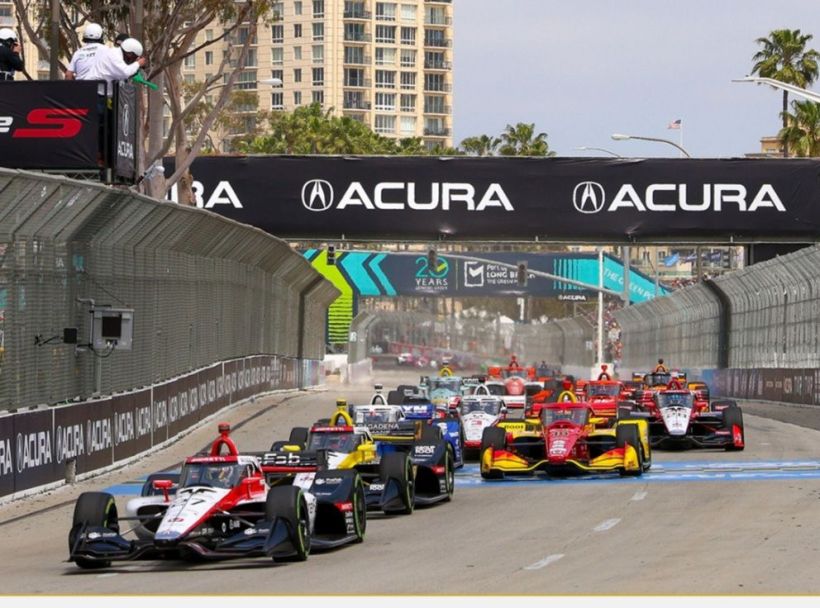
The 2026 Acura Grand Prix of Long Beach will take place April 17-19, 2026. For the latest news and information on the event, visit gplb.com or follow on Facebook (GrandPrixLB), X (@GPLongBeach #AGPLB), Instagram (@GPLongBeach) and TikTok (GPLongBeach).


 The Pit Window by Mike Silver