Photo from Indianapolis Speedway Museum website
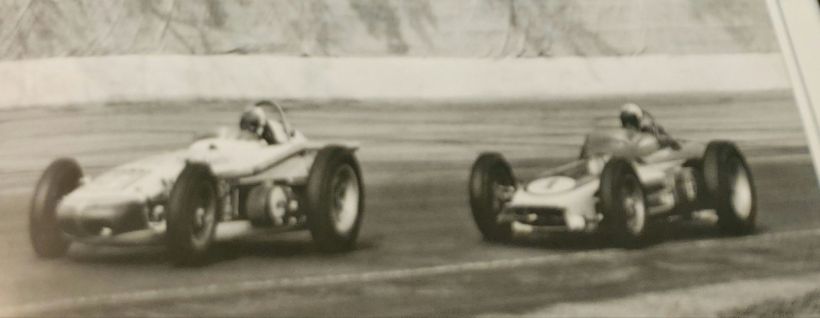
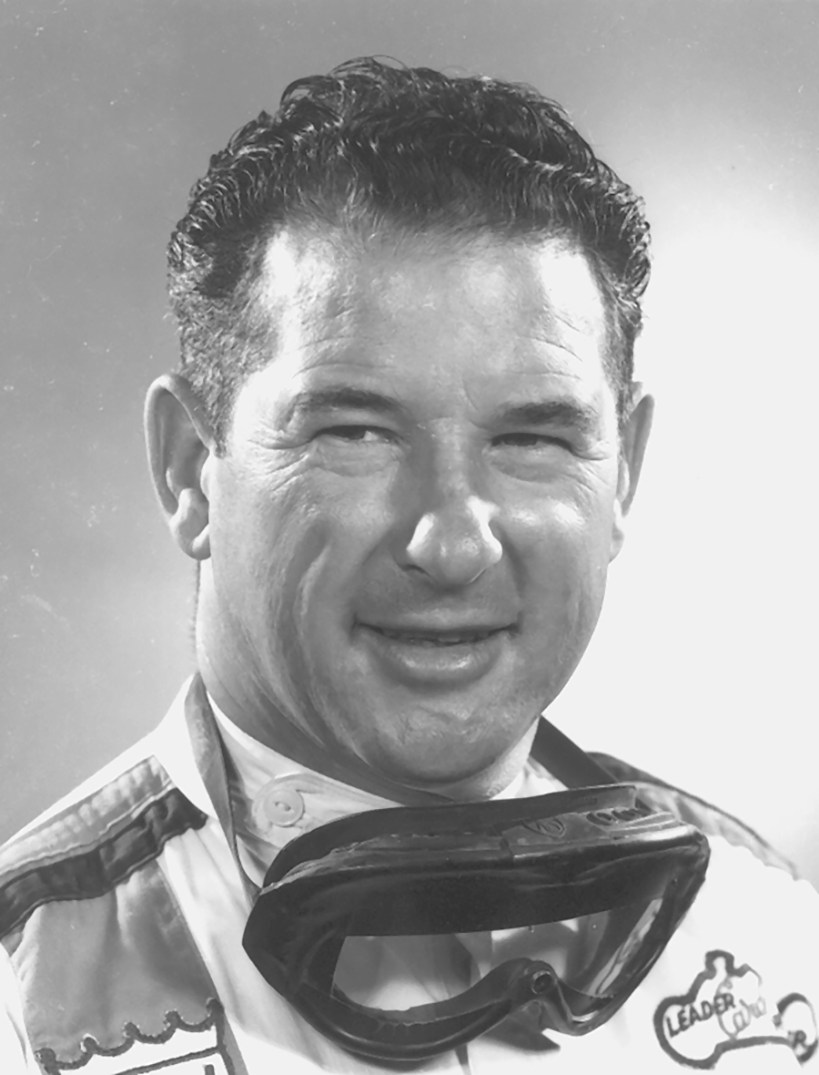
Perhaps it was the switch to a rear-engine car. Perhaps it was the car. In any case, two time Indianapolis 500 winner Rodger Ward had a difficult time getting up to speed in 1965. Ward, who reshaped his personal habits and driving style after the 1955 race, entered 1965 with a string of six consecutive top four finishes. His record from 1959-1962 is on of the best four year runs in the history of the Speedway. Ward won in 1959, was second in 1960 after a terrific duel with Jim Rathmann, finished third in 1961, then ran a steady race in 1962 to win again. He followed that streak with fourth in 1963 and a third in 1964.
Ward’s car, a rear engine Ford, had electrical issues the first day on track. The problems were resolved. but the car just wasn’t fast. It seems as if I just heard about this recently. The first qualifying weekend was a struggle for last year’s series runner-up. Ward used two of his three attempts. Both were waved off because the team knew the speed wouldn’t hold up. Sometimes teams waved off times that in the end would have been good enough to make the field. Ward’s speed was obviously not going to stand.
After another week of struggling in practice, Ward rolled out of pit lane on the second Saturday to begin his third attempt. On his third warm-up lap, he hit the outside wall in turn 2. The crew worked until 2 am Sunday morning to prepare for Bump Day. Ward making the race would have been one of the great all time comebacks in qualifying lore.
With just one attempt remaining, Ward rolled out at 5:30 pm, needing to beat Bill Cheesbourg’s speed of 153.774. His first two laps were3 faster than Cheesbourg’s average, but the speed dropped in the second half of the run. Ward missed the 49th 500 Mile Race by .151 miles an hour.
As for Cheesbourg, he survived his second straight year on the bubble. the ;last driver to have aq chance at knocking him out of the race, Bob Mathouser, left pit lane at 5:55. He spun coming off turn four, and the gun went off during the clean up. It was Cheesbourg’s third time since 1957 of waiting until the final gun to make the race. It wasn’t the last time he would be in this situation.
The 1965 race was dominated by Jim Clark in the first rear-engine car to win the 500. Only three front engine roadsters made the race. Their days were numbered.
Ward returned in 1966 and qualified. The race began with an 11 car pileup in the first turn, resulting in a red flag. The rest of the race was a series of caution periods. Only seven cars were running at the finish. Ward finished 15th, completing 74 laps. The car was officially retired with handling problems, but I wonder if Ward decided he had had enough.
At the next evening’s Victory Dinner, he tearfully announced his retirement from racing, because, “It just wasn’t fun yesterday.”
Tomorrow, Bump Tales concludes its 2019 season with a driver breaking a barrier.

 The Pit Window by Mike Silver