
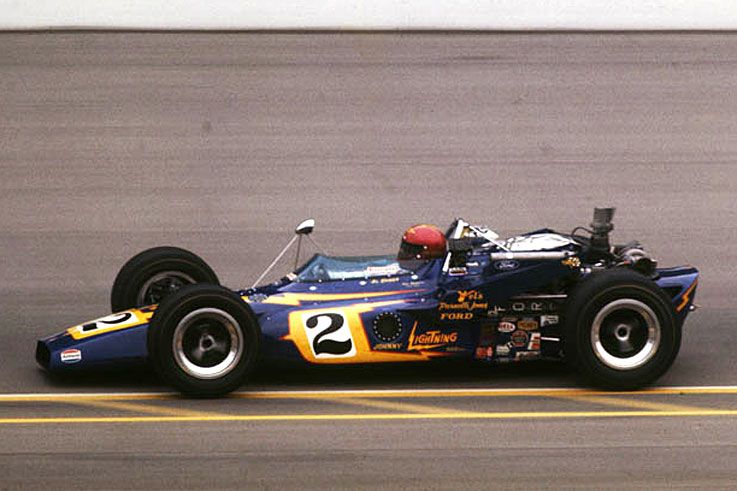
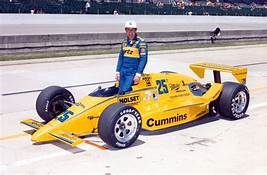
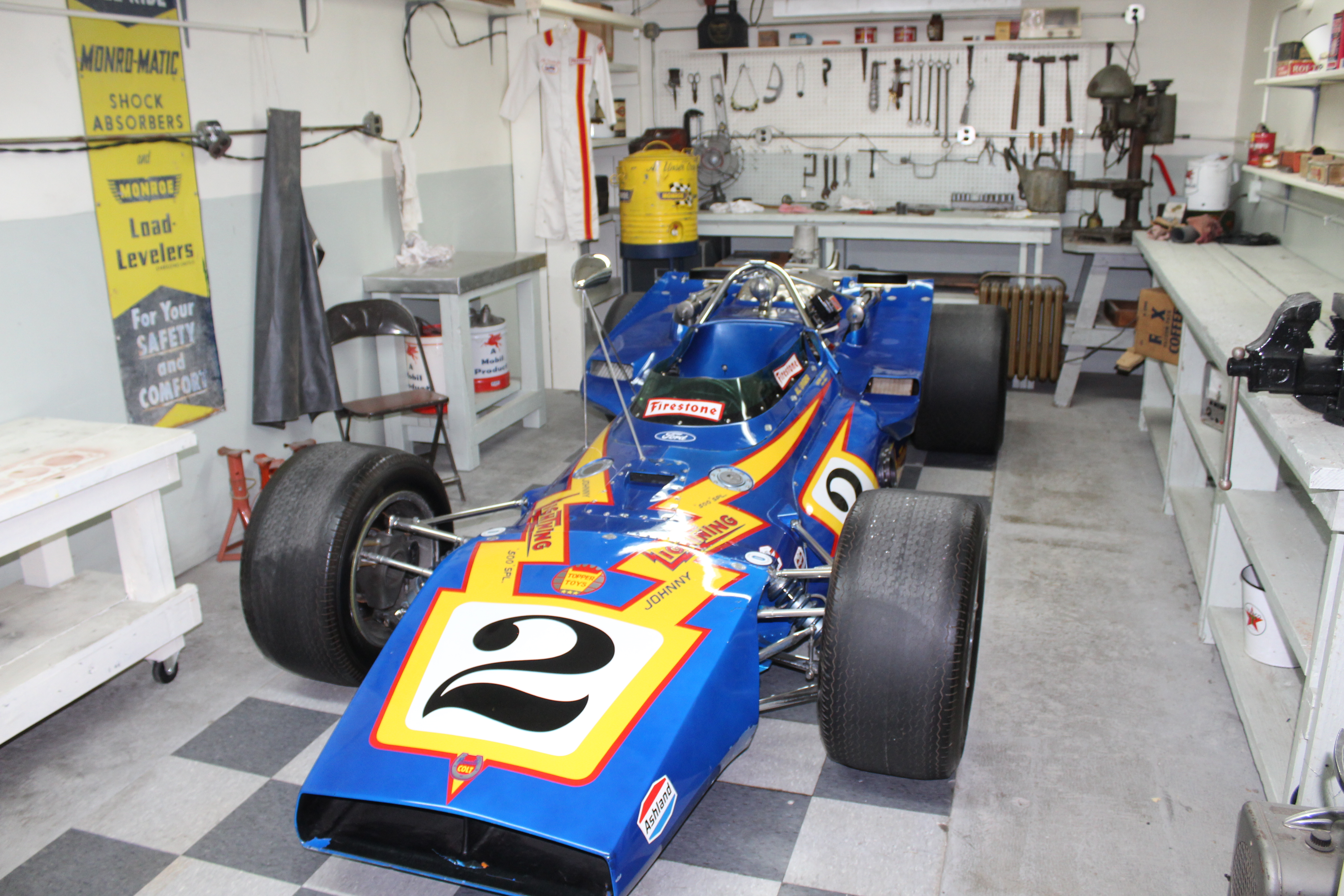
Photo: Al Unser on his way to his first 500 victory in 1970
Winning10 races remains a possibility for 2025 champion Alex Palou, a feat that hasn’t been accomplished since 1970 when Al Unser dominated the season. Here is a look back at that season 55 years ago.
The early races in 1970 gave no indication of how dominant Al Unser would be. He won the opening race at Phoenix, then did not win again until the Indianapolis 500. Unser was winless in June and won just one race in July, at the end of the month at Indianapolis Raceway Park.
The schedule had a large gap, and racing didn’t pick up again until late August. Unser won the first races after the break on August 22nd and 23rd at the Illinois State Fairgrounds and Milwaukee respectively, which put his win streak at three.
Following a ninth-place result in the California 500, Unser won the next five races-DuQuoin, the Hoosier Hundred, Sedalia, Trenton, and Sacramento.
Unser won the pole for the season finale at Phoenix but finished second to Swede Savage. Savage was the ninth different race winner of 1970.
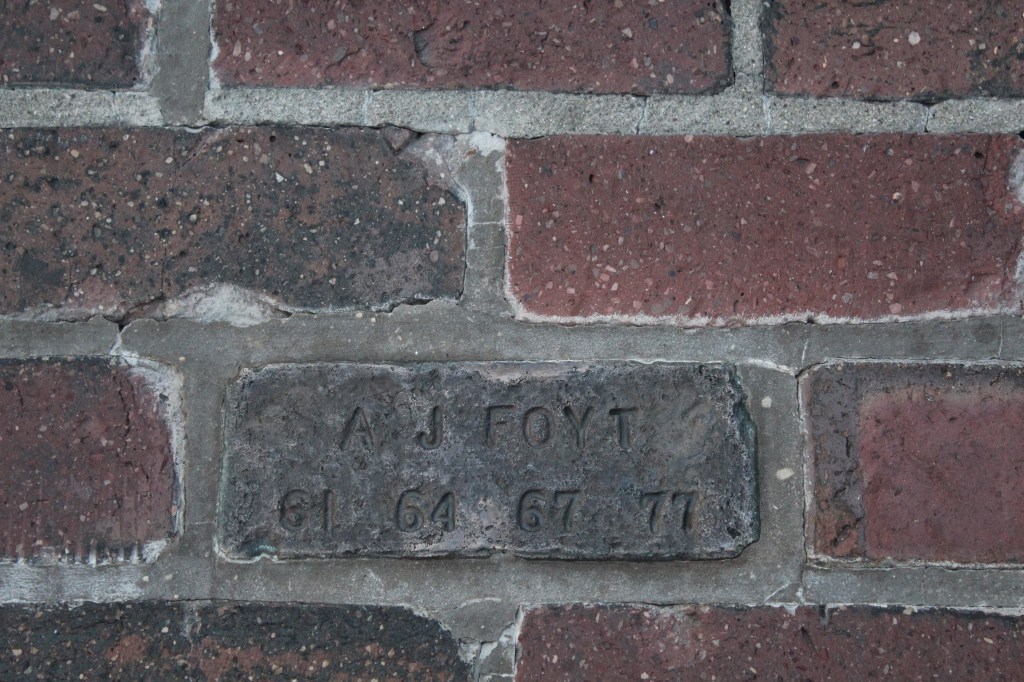
Unser became the second and last driver to win 10 races in a season. A. J. Foyt won 10 of 13 races in 1964. It could be argued that Unser’s achievement was more difficult. Unser won on dirt, pavement, and a road. course. He switched from rear engine pavement cars to front engine dirt cars during the season. On two occasions, a Saturday race was one surface, and the Sunday race was the other. Unser won both races those weekends.
Unser was on the pole for six races, and he won five of those events, losing only the last race of the year from the pole. His worst finish was 18th at Michigan.
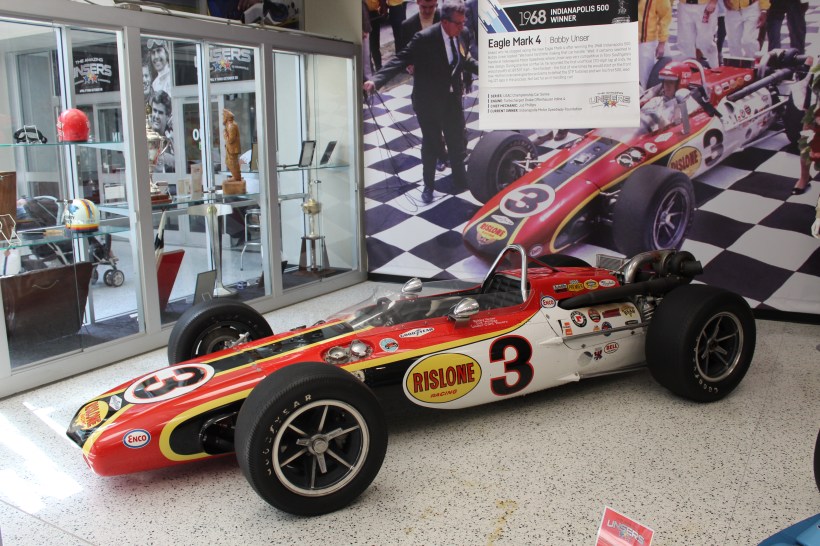
Of course, Al Unser ran away with the championship, beating his brother Bobby by more than 2,000 points. Bobby had also won a race in 1970, giving the Unser family 11 wins in 18 races.
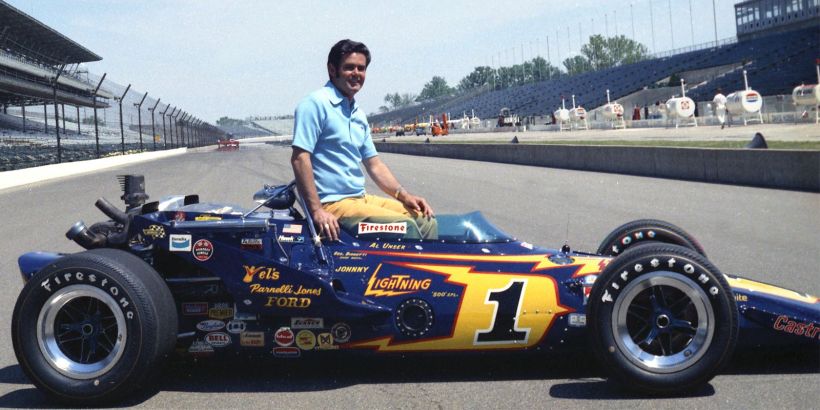
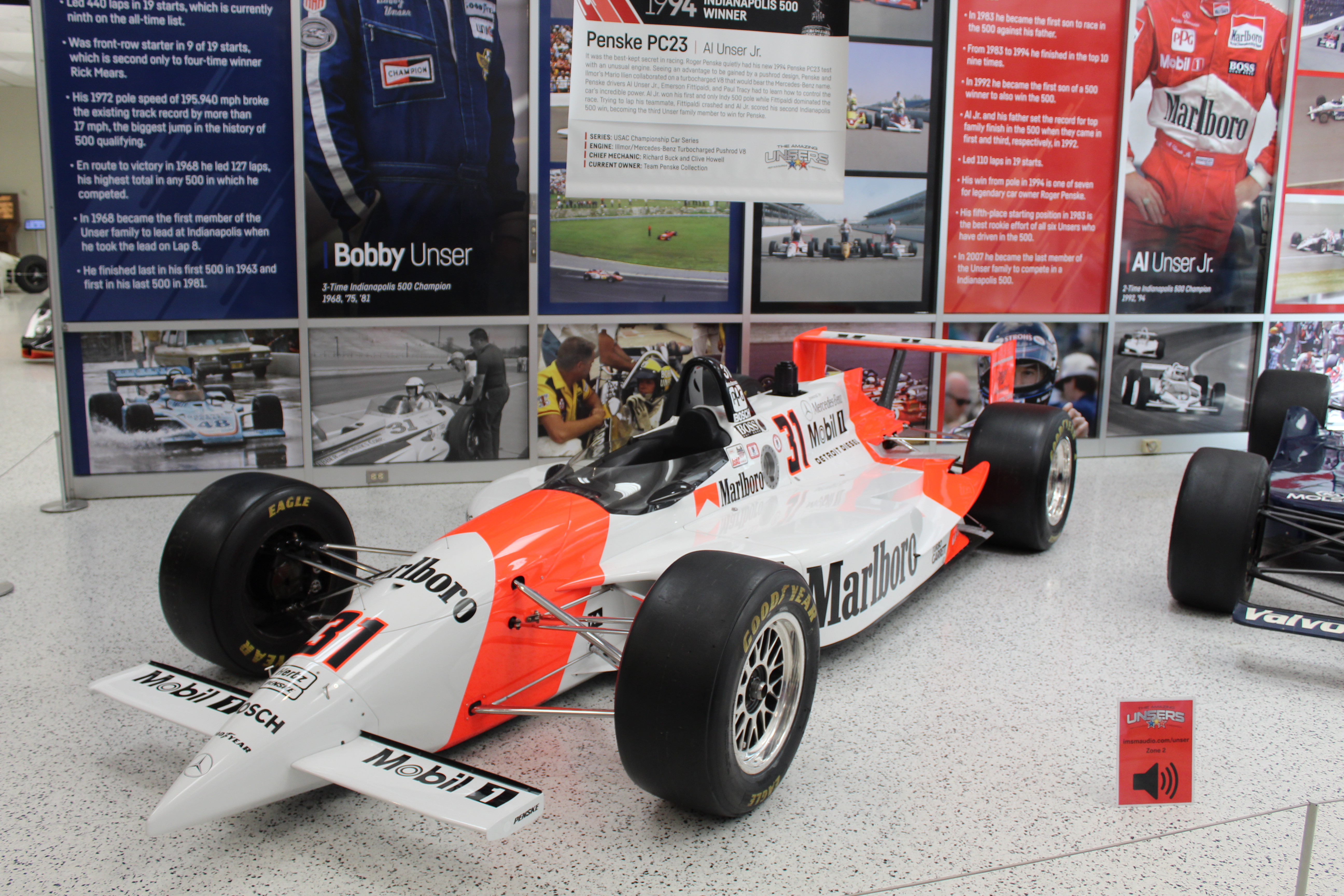
For any skeptic who thought 1970 was a fluke, Unser won five of the first six races of 1971, including his second straight Indianapolis500. The 500 would not see another back-to-back winner for thirty years. The 500 would not see another back-to-back winner for thirty years. He went on to win two more 500s in 1978 and 1987.

 The Pit Window by Mike Silver