
As a kid growing up in Indiana, May 30 meant turning on the radio and listening to the Indianapolis 500 Mile Race. I was unaware at the time that the 1953 race, the first one that I listened to, was the first flag to flag coverage from the Indianapolis Motor Speedway network.
“Now Stay Tuned” presents the story of broadcasting the race is on display in the exhibit gallery at the IMS Museum. I found the display fascinating. I learned much about the pre-IMS network days, which date back to 1922, the first year that there was radio coverage of the event. Local station WOH carried the race, and in 1923, station WLK added coverage.
In 1929 WFBM radio in Indianapolis covered the entire race. the entire race. Sportscaster Graham McNamee was the lead announcer from 1928-1931.
Oddly there was no radio coverage in 1932, as the speedway felt the radio station weren’t contributing their fair share of compensation. There was a national conflict between radio stations and newspapers at the time, and the newspapers who covered the race probably complained as well.
From 1934 to 1950 the mutual Broadcasting network went live for the start of the race, then throughout the afternoon had periodic updates before returning to cover the finish. A track reporter was stationed in turns 1 and 2, and another reported was in turns 3 and 4. Bill Slater anchored the broadcasts. In 1951 Mutual dropped out when their sponsor decided to spend their dollars elsewhere.
Local station WIBC took over the broadcasts. Sid Collins, who had been a turn reporter for Mutual in 1948 and co-anchored the race in 1950, became the lead announcer. The format for1951 and 1952 was the same as the mutual program, but in 1953 the full race coverage that we know today began.
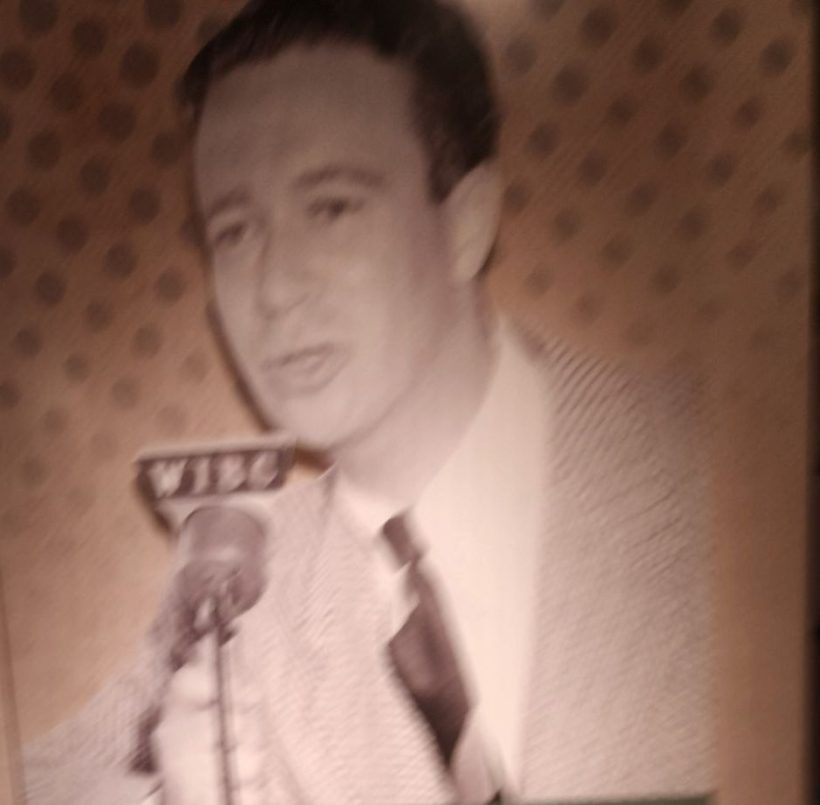
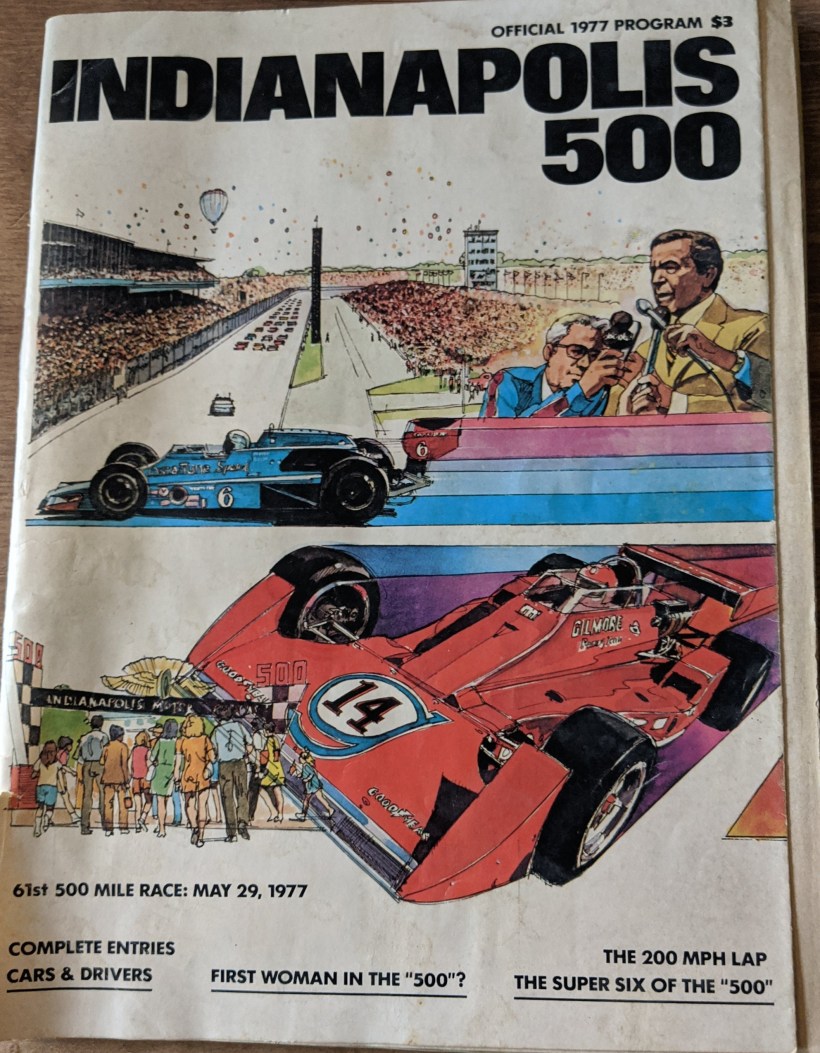
Collins was the lead announcer through the 1976 race. He died in early May of 1977. Paul Page assumed the anchor role.
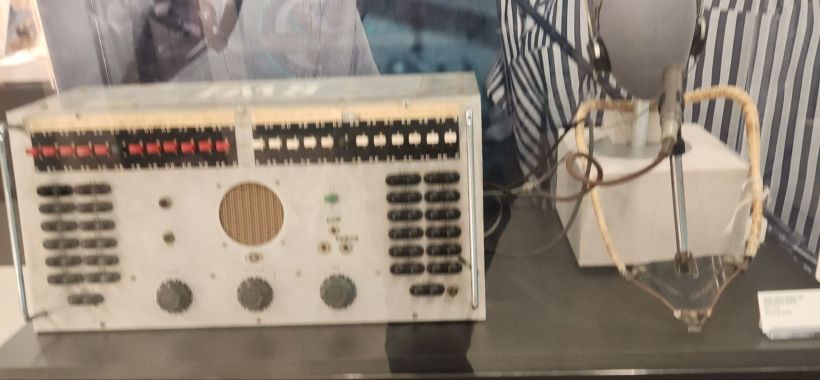
One of my favorite parts of the exhibit was the old-fashioned radio, similar to the one on which I heard that first broadcast. It is one of two interactive components in the display.
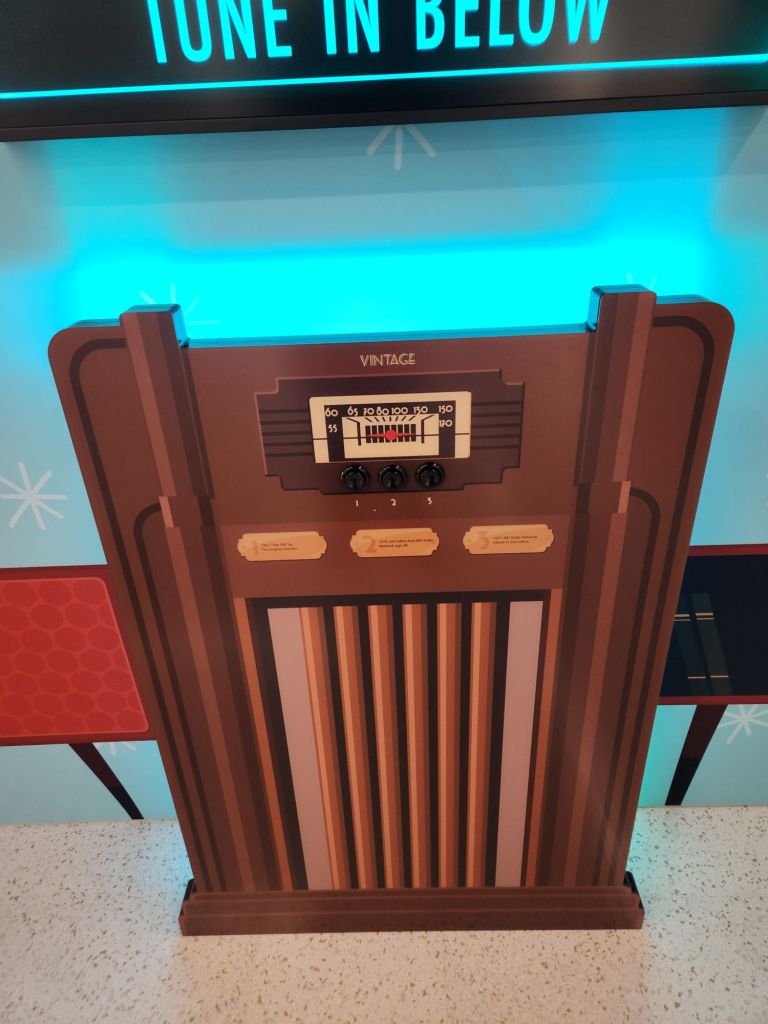
The set has three buttons. The first button plays “The 500 Song.”
Button number two presents Sid Collins’ sign off of the 1976 race, his final one. As he closed the broadcast of each 500, Collins had an inspirational quote, which he applied to the race winner, then he bade his audience farewell with the promise to meet again the following May. This recording gave me goosebumps.
The third button takes the listener to the next May where turn 3 reporter Jim Shelton gives a touching tribute to Collins, asking for a moment of silence. More goosebumps were detected.
The other interactive section is a broadcast booth where visitors can call a segment of one of four races of their choosing. The call is recorded and can be played back. I chose the finish to the 2011 race. Don’t look for it on Sports Center.
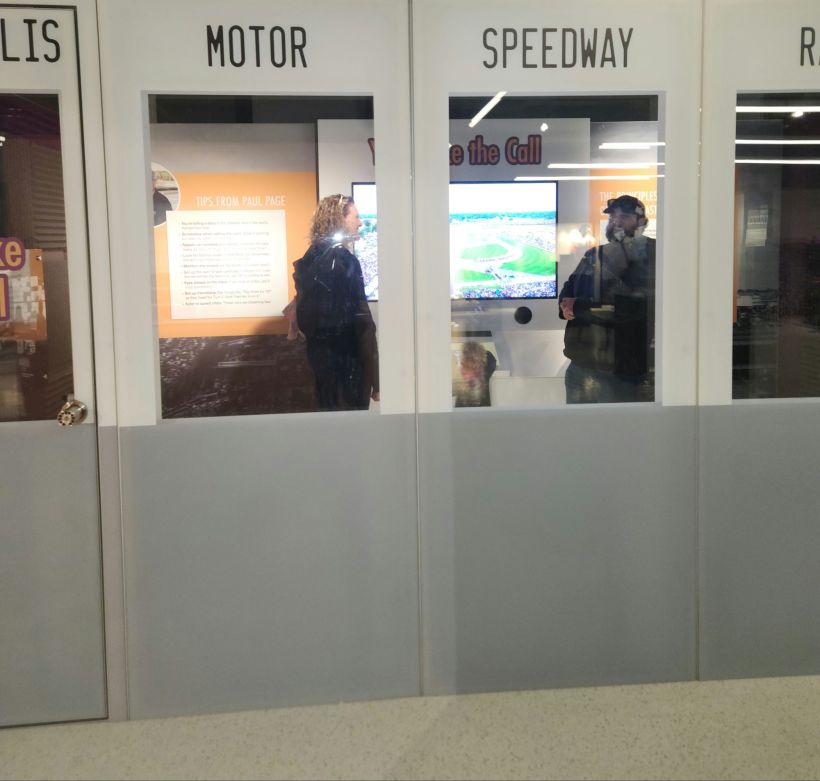
While radio makes up the bulk of the exhibit, television also has a decent share of the area. The first broadcast was in 1949 as WFBM (now WRTV channel 6) launched the first television station in Indianapolis. The 500 was their first program. Coverage had three cameras on the front stretch.
I have heard stories about track president Wilbur Shaw not wanting television at all, and that he had cameras moved from other areas. After the television coverage of the rain shortened 1950 race, Tony Hulman decided no more TV, The ban lasted 20 years until ABC began showing a two hour tape delayed showing in prime time in 1971.
From 1964-1970, the race was shown on closed circuit television in theaters around the country. Charlie Brockman anchored the closed circuit telecasts.
ABC began its live broadcasts in 1986, but they had to wait a week to present the twice rained out event.
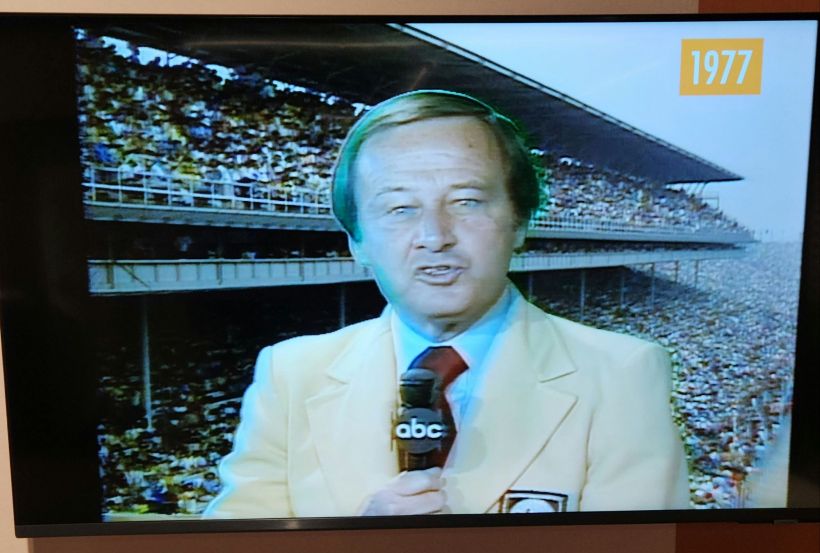
The exhibit is a great trip down memory Lane for anyone who began following the race in the 50s, and it is very educational for younger fans. I will have more photos from the exhibit on The Pit Window Facebook page in a day or two.
 The Pit Window by Mike Silver