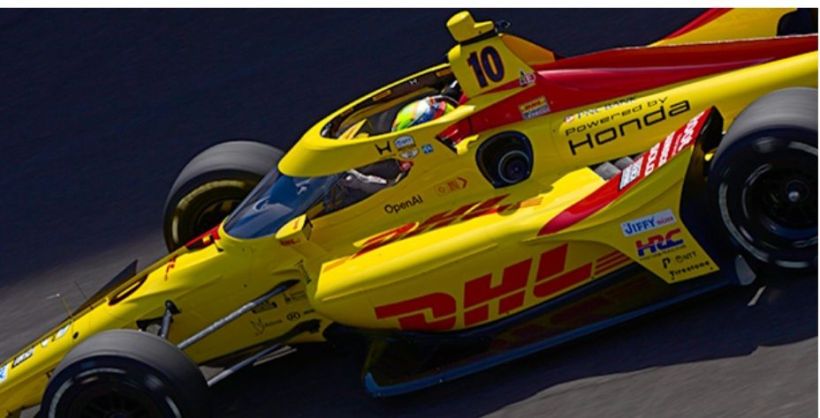
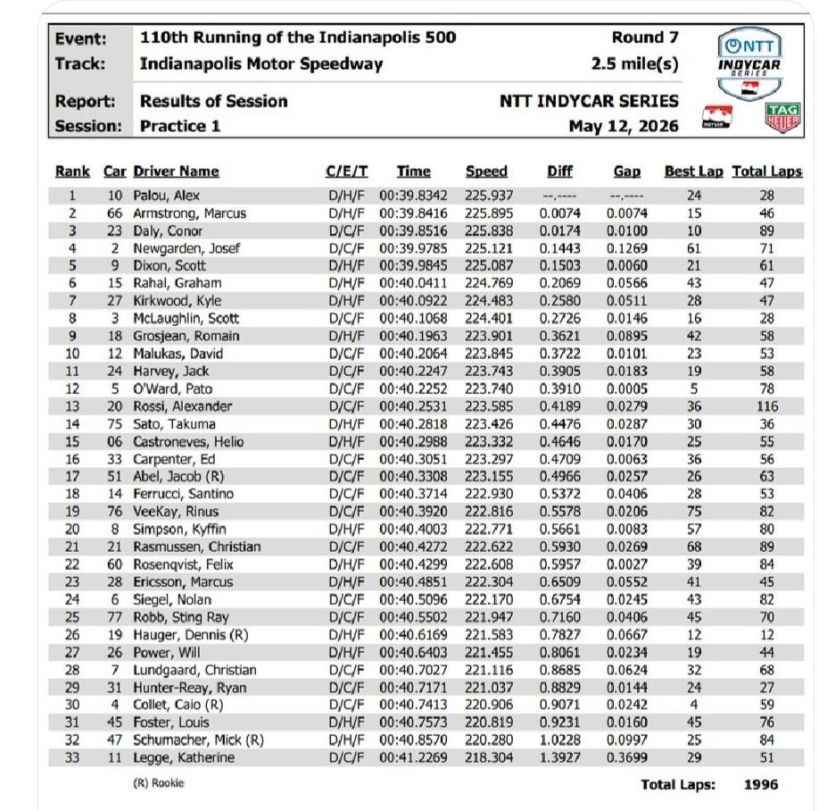
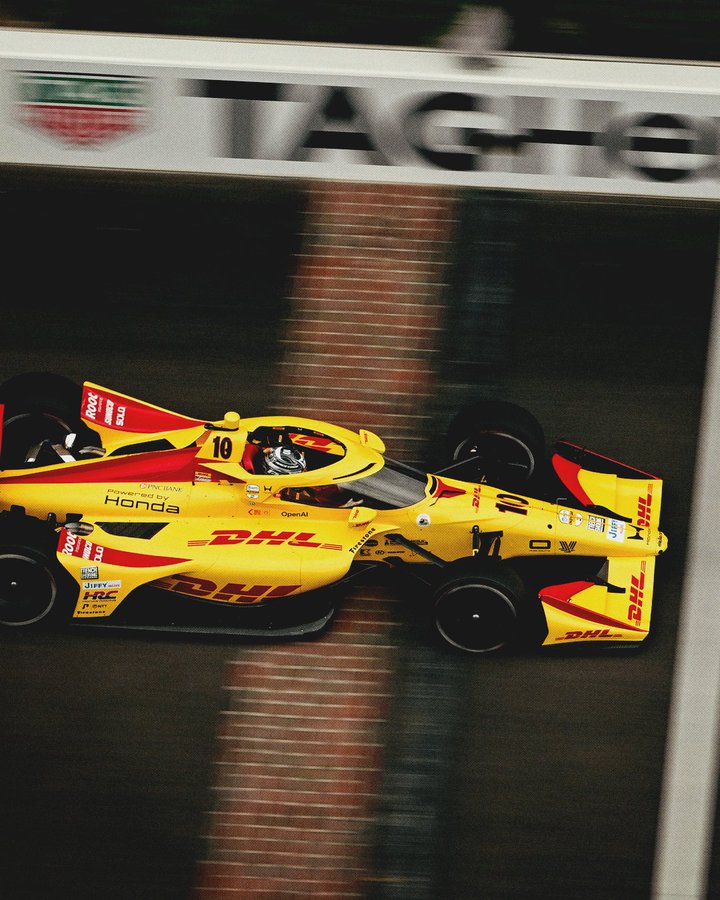
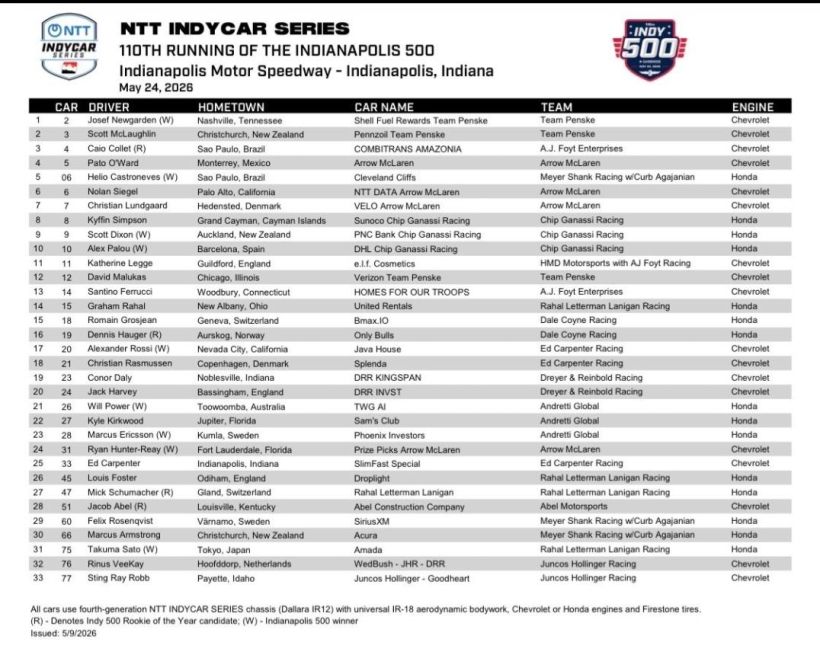
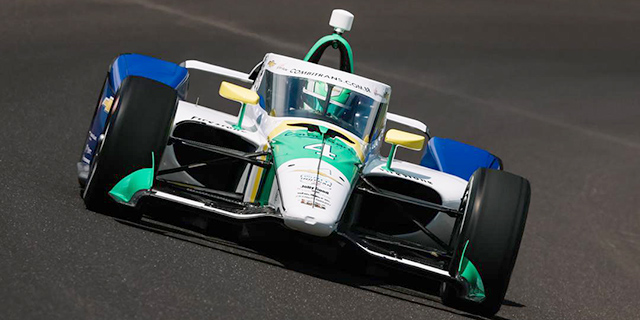
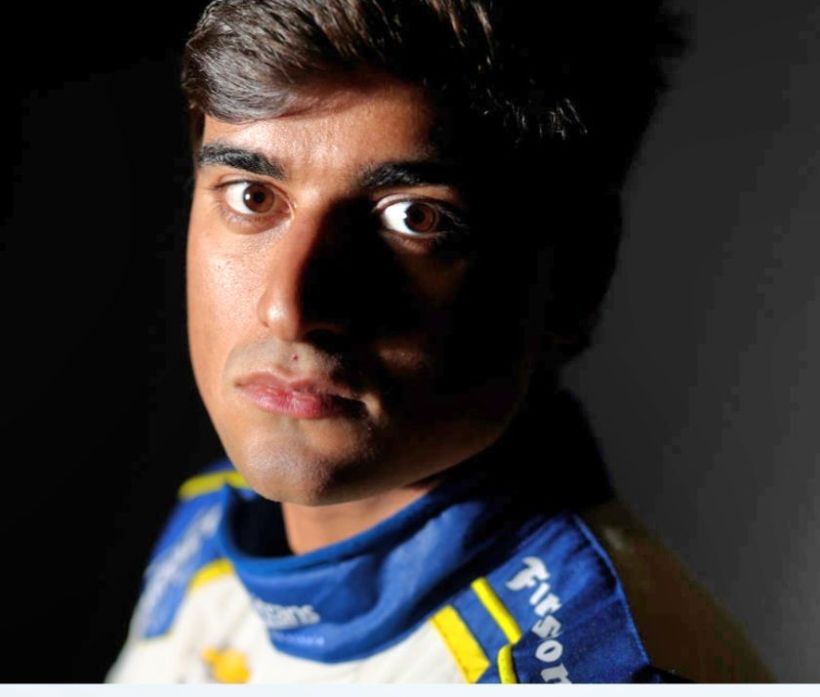
Alex Palou turned the fast lap of the at 225.937 to just beat out Marcus Armstrong for top lap of the day. Armstrong laid down a 225.895circuit early in the afternoon as practice for the 110th running of the Indianapolis 500 began.
On a sunny warm afternoon the 33 drivers turn a combined 1,996 laps.
“Yeah, it’s good; it’s good now,” Palou said. “We had a couple of issues, but we fixed them. It wasn’t a mechanical issue or anything. It was just balance, not being super happy with it. We found something that explained what I was feeling, and it was good to go back out today before we go to sleep so we can be a bit happier.”
“You always want to do a lot more,” Palou said. “We didn’t do a many laps today, but still we understood a lot of stuff. Feeling much better than (earlier this afternoon).”
Palou was 31st on the chart in the middle of the afternoon when the car went back to the garage. The defending 500 champion returned and took over his accustomed spot on the pylon.
Conor Daly was third fastest. His best lap was 225.839.
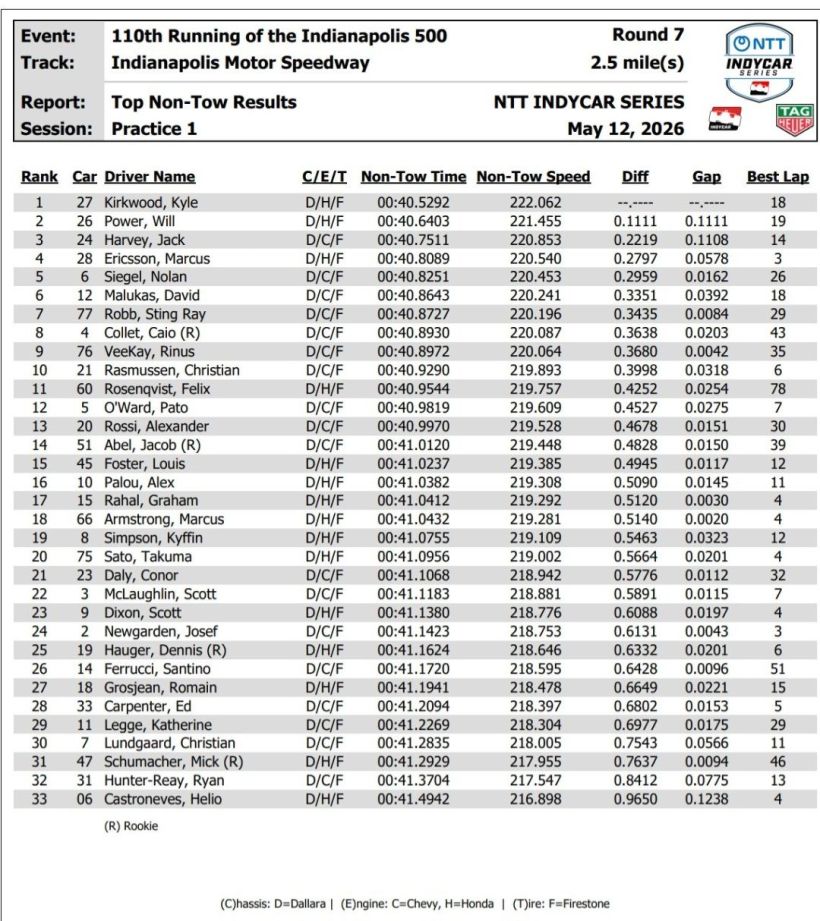
Kyle Kirkwood led the non-tow speed chart with a lap of 222.062 mph. Palou was 16th without a tow.
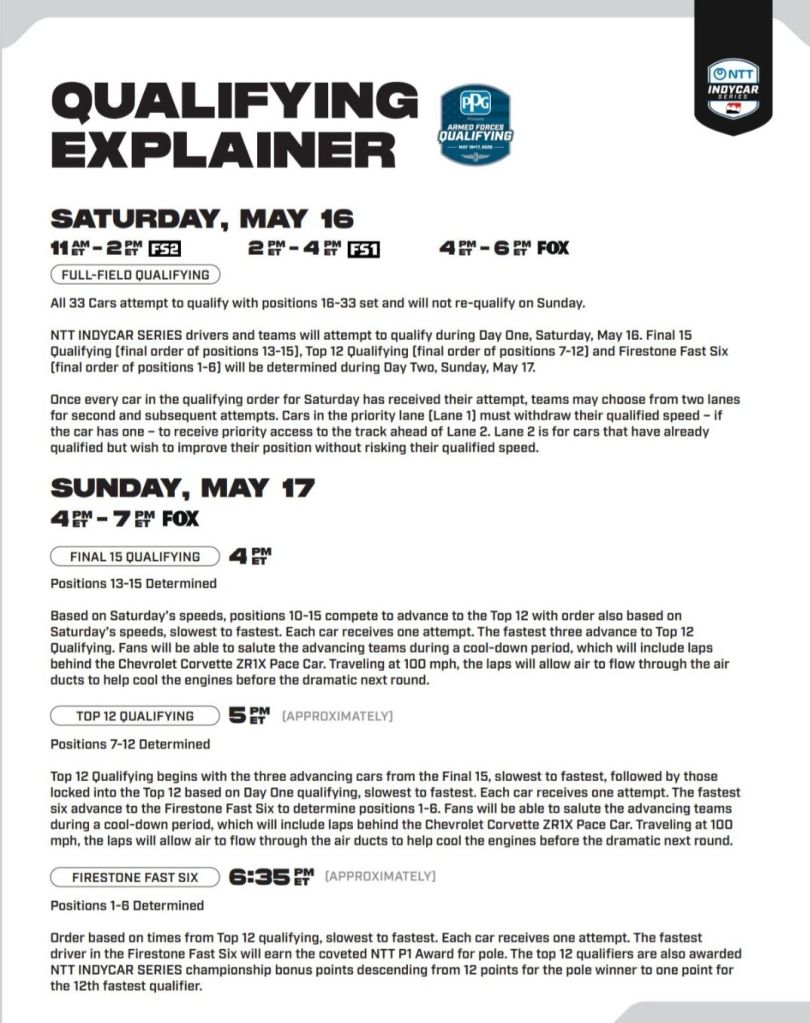
I knew there would be a change to Sunday’s Pole Day format. I’m not sure that this is the best way to go, There will be no bumping as inly 33 cars are entered for the 110th running, which left a couple of hours of programming to fill on Day 2.
The pole eligible field on Sunday has grown from 6 to 9 to 12. I think it should be capped at 9. 15 is reaching new NCAA basketball tournament levels.
Some of the consequence of the new format:
Cars that finish Saturday in 13th, 14th, 15th need to use an extra set of tires. Assuming a car from this group makes to the final six, that team and driver will make three qualifying runs on Sunday, four for the weekend. That is assuming the driver did just one run on the first day and did not try again.
I am also by the fact that the three cars knocked out in the first round get nothing-no points, no extra money- just a “thanks for playing” from the series and IMS. These three cars should at least get a point for having to run an extra day.
Suggestions
If IMS needs to fill a time slot. perhaps an IndyNXT race would be a nice way to pass the time.
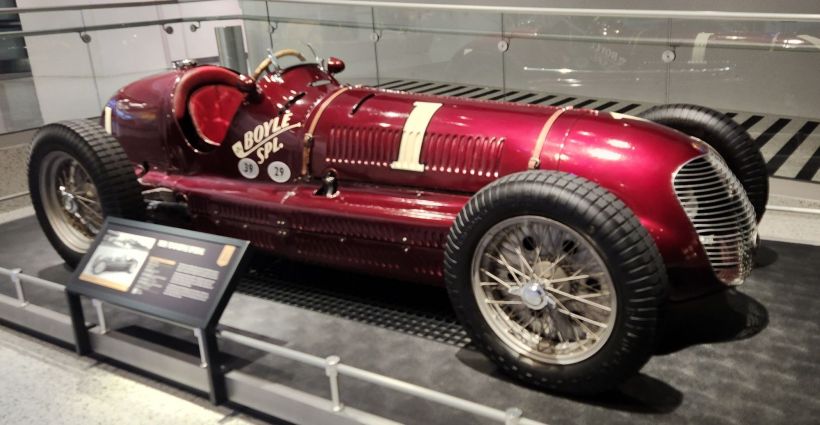
A vintage Indycar parade would also make for an enjoyable 30 minutes between sessions.
As many of you know, I have never been a fan of the new qualifying format, for reasons I will discuss on Friday. We need to get through this year with the rles as they ae set.
I ask just one thing of the track and PA announcers. Please don NOT use the term “Bumping” this coming weekend.
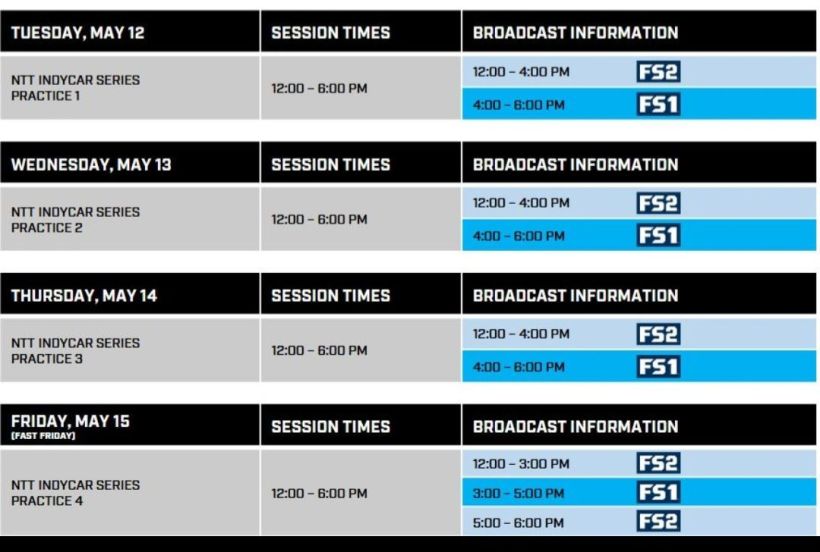
Indianapolis Motor Speedway opens today for practice for the 110th running of the Indianapolis 500. While the entry list is short, cars will be on track for seven consecutive days.
Cars mostly run race setups the first couple days and then get into qualifying mode Friday when extra boost is added.
Last year on opening day the fastest speed was in the 227 range,
Something else expected this week is the anticipated announcement of a grandstand sellout for the race.
There has been a modification to Sunday’s qualifying format, which I will talk about in a post later this morning.
My track schedule this week will be a bit reduced compared to other years. I will spend just half days at IMS Tuesday, Wednesday, and Thursday to take care of some things at home. There are no serious health concerns, I’m just catching up on a few things.
I will still have an end of day report and keep all three of you who reead this up to date on happenings while I’m there.
The guide to today at the track can be found here:
INDIANAPOLIS (Monday, May 11, 2026) – Information about the 110th Indianapolis 500 presented by Gainbridge practice track activity Tuesday, May 12 at Indianapolis Motor Speedway.
SCHEDULE: (All times local):10 a.m.-6 p.m.: Public Gates OpenNoon-6 p.m.: Practice (all cars)
TICKETS: General Admission tickets are $25. The General Admission ticket will provide the opportunity to move between the IMS infield viewing mounds and first-come, first-served access to select grandstands to view racing action from different vantage points. Children 15 and under are admitted free with paying adult.
PARKING: Free public parking is available in IMS infield Turn 3 and Lot 7 (North 40) accessible only via Gate 10 from 30th Street. Free ADA accessible parking is available in West Museum Lot, Flag Lot, Tower Lot and Northwest Gravel. Free motorcycle parking is also available in the South Carousel Lot via Gate 2.CASHLESS OPERATIONS: Indianapolis Motor Speedway is a cashless facility. Please be prepared to complete your ticket, credentials, parking, concession and merchandise purchases with ease during your event via debit or credit card. Tap-to-pay phone payments will be accepted, as will credit and debit transactions. A Cash-to-Card machine, which converts paper money on to a temporary debit card, will be in Pagoda Plaza. These funds can be spent inside the venue, outside the venue, online or anywhere in the world where Mastercard/Visa debit cards are accepted.
MUSEUM: The IMS Museum is open 10 a.m-5 p.m. General Admission tickets are $25 for adults, Seniors (55 or older) are $23 and Military are $18. Tickets can be purchase online at imsmuseum.org.
1966 became a watershed year for the Indianapolis 500 and for North American auto racing. The race put the final in the coffin of the front engine roadster, solidified the European drivers as a force to be reckoned with, and caused the retirement of one of the last of the stars of the 1950s.
Mario Andretti qualified for the pole at 165.899 miles an hour, and he was joined in row 1 by Jim Clark and George Snider. The field also featured former F1 champion Graham Hill and a second year F1 diver, Jackie Stewart.
The 50th running of the Indianapolis 500 had all the ingredients to be one of the great races in IMS history. There were champions from both sides of the Atlantic, 14 different chassis, and nine Offenhauser power plants making one of their last stands against two dozen Fords.
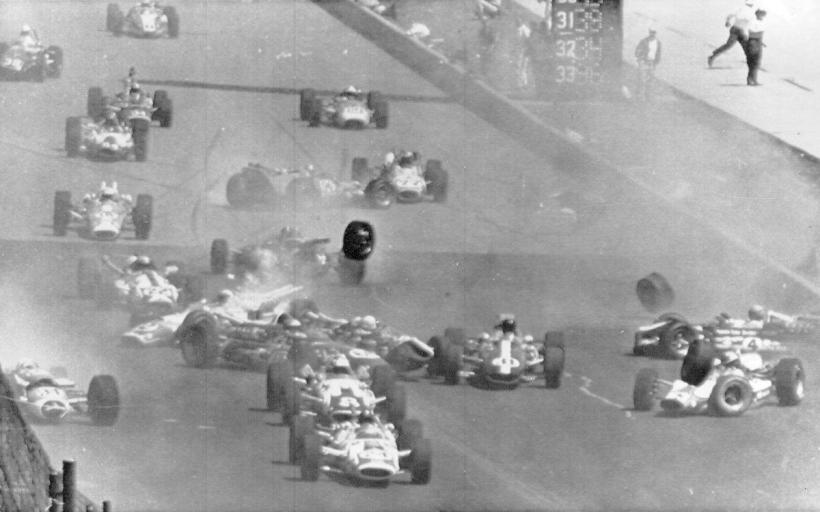
Highly anticipated events sometimes don’t live up to their hype, and thus it was with 1966 Indianapolis . The field di not even get to turn after the green flag before cars spun, crashed into each other contacted both walls, and sent tires and parts flying. At least 15 cars were involved, 11 of the starters eliminated.
The consensus was that Billy Foster, starting 12th, ran over the wheel of sixth place starter Gordon Johncock. Foster slammed the outside wall, the tires broke free from his car and flew into the paths of the field as they hurtled toward turn 1. The only injury was to A. J. Foyt, who cut his knee and hand climbing the fence at the spot where his car came to rest.
Foster insisted that he was hit from behind, but the official cause pf the accident was that the Canadian hit Johncock.
After 1 delay of 100 minutes, the race resumed under caution. When the green flag waved on lap 5, Johnny Boyd crashed in turn 1. At this point in the race the green flag was out for less than five minutes.
The race resumed on lap 17. Andretti had the laps under caution, but Jim Clark took over the point on lap 17, followed by Lloyd Ruby leading on lap 65 after Clark spun without contact on the previous laPp. The race looked to be a fight between Ruby and Clark, with Ruby having a slight edge until Ruby retired with engine trouble on lap 166.
Clark still ran strong, but he spun again on lap 86. This spin may have led to the confusion at the end of the race.
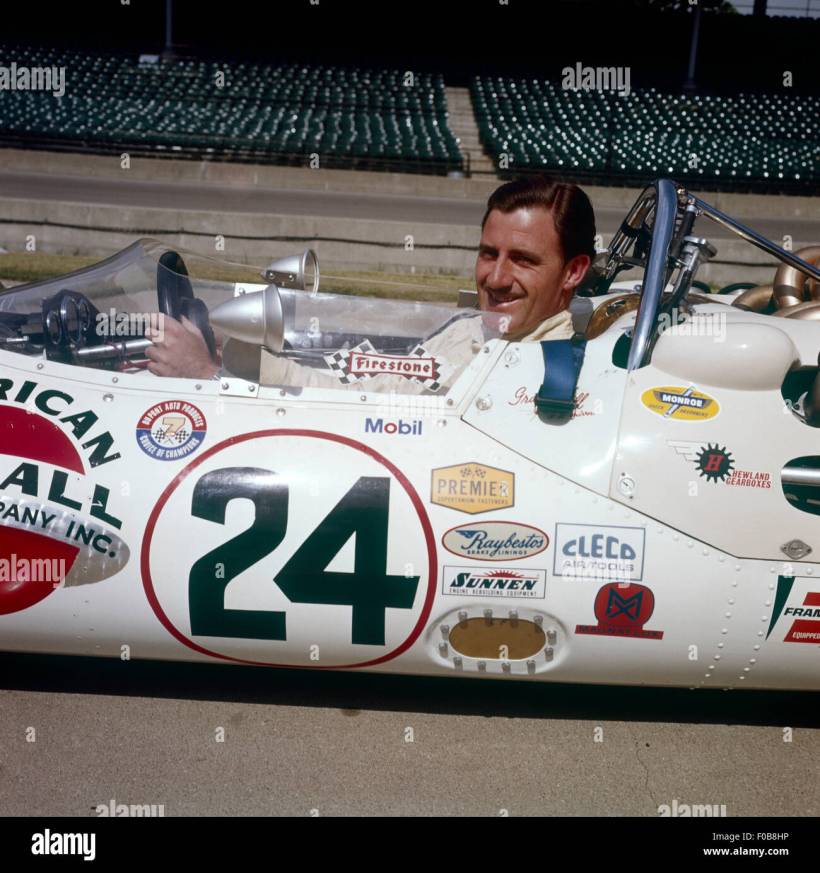
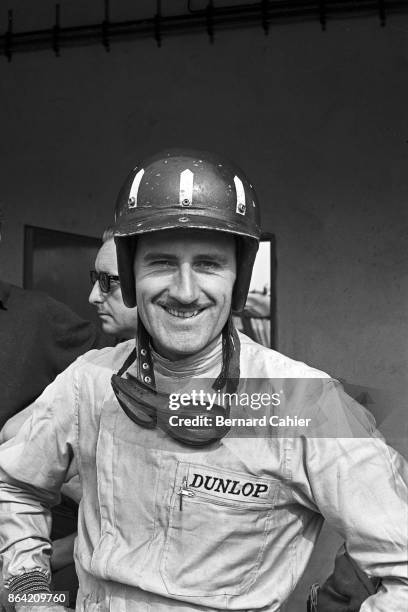
Graham Hill was a dapper figure with a distinctive helmet.
After Ruby lost the lead to Jackie Stewart, the Scotsman appeared to be in control. His only concern was Graham Hill. ;’Stewart lost oil pressure with 10 laps to go, handing the lead and the victory to Hill. Or did it? Clark and his team owner, Colin Chapman and sponsor Andy Granatelli were positive that Clark had won despite the two spins. With Hill in Victory Lane, Clark headed toward the winner’s area only to be stopped.
The Lotus team insisted that Clark had lapped Hill, but I recall seeing in a race replay that Hill passed Clark during one of his spins.
Behind the action among the leaders, cars failed and crashed. Only seven cars were running at the finish, the last runner, Jerry Grant was 33 laps behind. Grant finished 10th. The top four were the only cars to complete 200 laps.
The course for open wheel racing in North America was set, the Offenhauser engine would fade from the scene, and a new generation of drivers would rule for years.
Notes
Hill would race in just two more 400s and fail to finish either. He would win a second world championship in 1968. He died in a plane crash in 1975.
Jackie Stewart went on to win three world championships.
Rodger Ward, two time 500 winner, retired the day after the race, saying racing ” just wasn’t fun yesterday.”
Billy Foster never got the chance to redeem himself at Indianapolis. He was killed in a stock car accident at Riverside, California, in January of 1967.
Some deaths of retired drivers sting more than others, and the passing of Merle Bettenhausen, 82, hurts a lot. Merle was the last surviving member of the Bettenhausen family, one of IndyCar racing’s legendary families. They didn’t have the succeess of the Unsers or the Vukoviches of the world. The Bettenhausen story is one of tough luck, tragedy, and injury.
Patriarch Tony, the 1951 and 1958 national champion, had a second-place finish in the 1955 Indianapolis 500, But he only led a few laps in 1958. He entered May in 1961 mas a heavy favorite to win, but h suffered fatal injuries while test driving a car for his friend Paul Russo the day before Pole Day.
Brother Gary lost the use of his right arm in a racing accident at Syracuse, which prompted Merle to retire soon afterwards. Brother tony, Jr. owned an IndyCar team and died in a plane crash in 2000.
Merle’s story follows the family lineage of setbacks and resiliency. In 1972, after showing promise in USAC dirt champ car races, Merle got a ride at Michigan. Early in the race Bettenhausen tangled with Mike Hiss, his car slammed the wall and caught fire. Bettenhausen lost his right arm below the elbow. He had a prosthetic made with clip at the end so he could still race.
He returned to the track just about one year later, in a midget race. Bettenhausen won his 14th race after his return. H raced for another year, but retired in mid 1974 after Gary’s accident.
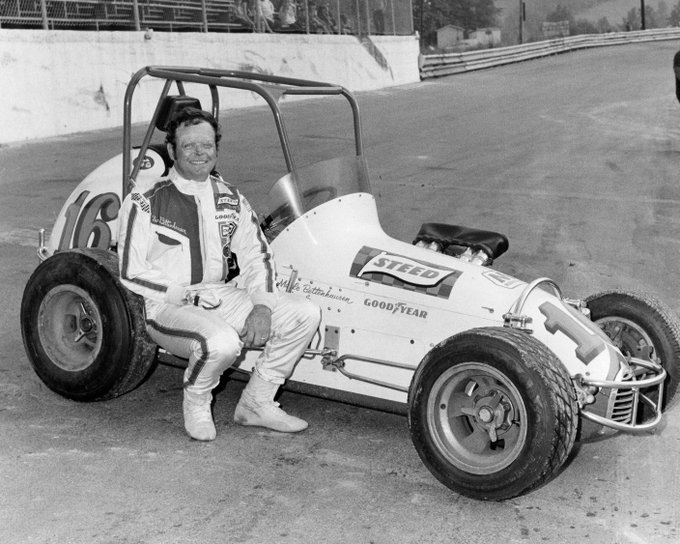
Merle Bettenhausen in his first race after losing his arm. USAC photo.
Merle stayed active in racing. he started a business selling fuel and tires at sprint and midget races. He mentored some drivers hlped his brothers in their efforts at IMS.
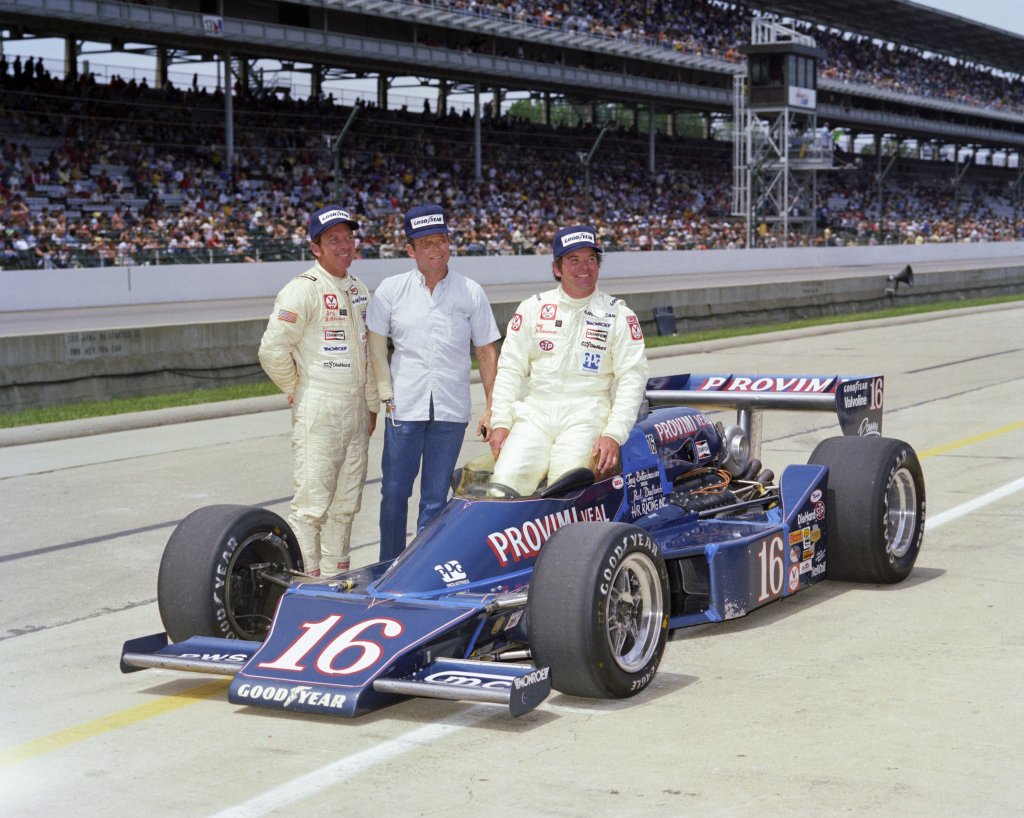
The Bettenhausen brothers, 1981. 9L tor_ Tony, Jr. Merle, Gary. Photo courtesy of Mike Thomsen.
With Merle gone, Unser, Rahal, Andretti, and Foyt are the last legacy families left who have had descendants race in the 500. If you see a member of one of these families, stop, say hello, and thank them for the memories. The foundation of IndyCar racing was built on these families.
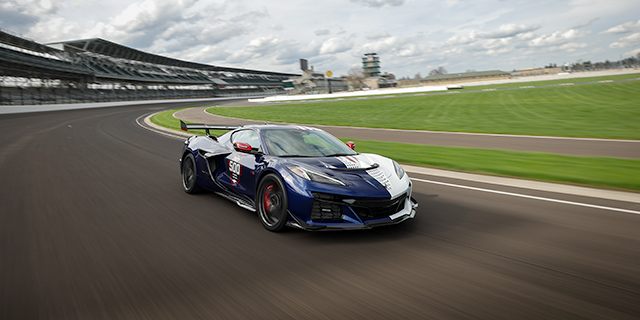
INDIANAPOLIS (Thursday, April 30, 2026) – The 2026 Chevrolet Corvette ZR1X – a true American hypercar and America’s quickest production car– will lead the field to the green flag for the 110th Indianapolis 500 presented by Gainbridge on Sunday, May 24 at Indianapolis Motor Speedway.The Corvette ZR1X Pace Car invites race fans to celebrate America’s semi-quincentennial anniversary with purpose-driven patriotism and American craftsmanship forged into this year’s bold livery .Indiana University Head Football Coach Curt Cignetti, in celebration of IU Football’s undefeated National Championship season, has been named honorary Pace Car driver and will pace the field of 33 drivers in the Corvette ZR1X to start “The Greatest Spectacle in Racing.” “America’s hypercar will be front and center at the Indianapolis 500, and it has the speed to stay there,” Global Corvette and Performance Cars Team Executive Chief Engineer Tony Roma said. “The ZR1X is made for the racetrack. This Corvette, inspired by America’s 250th anniversary, will absolutely give Coach Cignetti and the fans a thrill.” The Corvette ZR1X delivers 1,250 horsepower across all four wheels, combining a 186-hp electric motor on the front axle with a 5.5L twin-turbo V8 putting 1,064 hp to the rear wheels. For Pace Car duty, the ZR1X is equipped with the Carbon Aero package, including dive planes on the front bumper, underbody aero strakes and the rear wing, which creates more than 1,200 pounds of downforce at top speed.The Corvette ZR1X achieves incredible acceleration – capable of zero to 60 mph in under 2 seconds – and can reach 233 mph, approaching speeds seen by race cars in the field .“As we celebrate America’s 250th anniversary, this Pace Car design reflects both where we’ve been and where we’re headed,” Chevrolet Global Executive Design Director Phil Zak said. “Every element – from the badging to the colors – were deliberately crafted to honor this milestone while expressing a forward‑looking vision of Chevrolet design.”Designed in tandem with the Stars and Steel Collection, the Pace Car features the stars‑and‑stripes decals running across the car. This exclusive ZR1X was custom painted, appearing Arctic White from the driver side and Admiral Blue from the opposite profile. Every detail was considered, including the painted striping running down the ZR1X’s carbon fiber spine on the rear hatch. Inside, Santorini Blue seats are paired with red accent seat belts and red stitched floor mats for a cohesive, performance‑driven interior. “Having America’s sports car, the Corvette, pacing the field feels especially fitting this year as we celebrate our nation’s 250th anniversary,” INDYCAR and IMS President J. Douglas Boles said. “With race car-like performance, the Corvette ZR1X is the perfect choice to pace the field of 33 in the Indianapolis 500.”Corvette is the longest-running car nameplate in automotive industry history, so it’s no surprise Corvette has paced “The Greatest Spectacle in Racing” more times than any car. The 2026 race marks the 37th time for Chevrolet to pace dating back to 1948 and the 23rd time overall, all since 1978, for America’s favorite sports car. Visit IMS.com for tickets and more information on all Month of May events and activities at IMS.
Caio Collet had the fastest speed of two day IndyCar Open test in this morning’s session at 226. 381 miles per hour. The speed held through the afternoon round, which was led by Josef Newgarden at 225.617.
Practice began 75 minutes late as the track dried from overnight and morning rain, bvut once things started, the morning session got very busy quickly.
The 24 year old Brazilian rookie driver for A J Foyt Racing was very happy with his run, but a bit surprised.
Caio Collet
“No, no, never expected that,” Brazilian driver Collet said. “Obviously, the team has a good background here and has done really, really well the last couple of years, especially last year. As a rookie, I was just trying to learn things and see how everything went. But the team, they did a really good job and got me up to speed quickly, and I got really comfortable.
“Obviously, a lot of things I still have to learn, especially in traffic. I have to understand how to manage traffic and how to get by people. But I think by myself I felt really good, and the team gave me a really good car both days.”
The cool, windy afternoon was not without issues. A caution came out as a fox scampered across the track between turns 1 and 2. IndyCar’s television partner just had to get a plug in.
Katherine Legge completed the two phases of the refresher program with an hour alone on the track and the remainder during the final practice.
Late in the session, Jack Harvey’s car began trailing a large plume of smoke between turns and three and four. The white contrail followed Harvey into the pits where he was greeted by the AMR Safety Team. The wind took the smoke cloud southward through the pits where it lingered for a minute or two.
While a loo at the combined results of the four sessions shows Collet on top, some things stand out. Newgarden and Conor Daly were consistently near the front of the charts. Takuma Sato finished seventh overall but showed consistent lap times.
Alex Palou ranks fourth on the combined sheet driving e the car in which he won Long Beach. How fast will, he be in his speedway car?
I was struck by the /slowness of the Andretti cars- Will Power 18th, Kyle Kirkwood 27th, and Marcus Ericsson 31st.
It was fun to see cars on track in oval trim. Next week’s Sonsio Grand Prix may be a bit anticlimactic..
Notes
Some sad news today as we learned of the death of Merle Bettenhausen. Bettenhausen is the last of the Bettenhausen family, whose patriarch, Tony, won two national titles. He achieved on of his titles without winning a race.
Merle’s brother Gary was a talented driver popular with fans in the 80s. Another brother, Tony, drove and then owned a champ car team until his death in a plane crash.
I will have a more detailed story about Merle and his family on Friday.
Happier stuff
IMS looked race weekend ready this week. The grounds crew obviously has worked hard to make the facility almost sparkle.
Saturday the Month of May kicks off with the Mini Marathon in the morning and the REV event at IMS at night. Preparations for REV were underway this we3ek.
It appears that the track is about 10 days away from selling out the grandstands.
The 2028 car may be revealed sometime this month.
Thanks for following along the past two deays. I’m justb getting started.
Caio Collet turned the fastest speed of the two-day open test at IMS in the just completed first practice period of the day.
The top six:
Collet 226.381 mph
Newgarden 226.223 mph
Daly 224.785 mph
Malukas 224.377 mph
Sato 224.130 mph
Rosenqvist 224.104 mph
It’s nice to see an A. J. Foyt Racing car ahead of the field,
Overnight and early morning rain pushed the sstart of the first round to 11:15 am Eastern time. Katherine Legge has the track to herself to complete the refresher program.
The next all car session is scheduled to begin at 2:15 pm and run until 5 pm.
The pace car for the 110th running of the Indianapolis 500 will be revealed tomorrow morning. The pace car announcement used to be o I looked forward to, but since it has become exclusively a Chevrolet product, it’s just not that big a deal to me. I loved the anticipation of seeing which car company would lead the field to then green flag. Another fun tradition assigned to the dustbin of history.